Home › Concrete Demolition and Replacement
Replace failing pavements with commercial concrete demolition in New Orleans, LA. We remove damaged slabs and pour new concrete for safer, longer lasting surfaces.
Superior Concrete New Orleans provides professional commercial concrete demolition throughout New Orleans, LA, Louisiana and the surrounding area. Our licensed, insured crew delivers safe, clean, on-time work with a free estimate before anything begins. Call (504) 226-5854 or request your free quote.
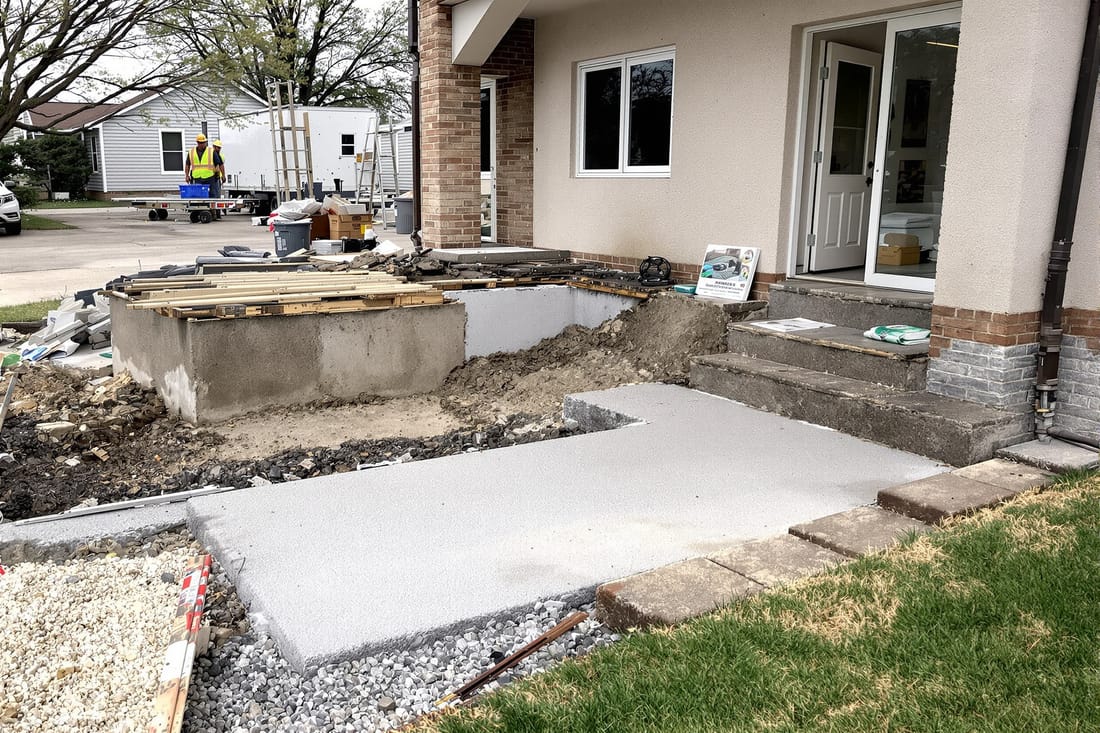
Concrete Demolition and Replacement in New Orleans, Done the Right Way
Concrete demolition is not just breaking and hauling away old slabs. In New Orleans, where soil conditions, drainage, and humidity are constant factors, it is about safely removing failed concrete and rebuilding it so you are not paying for the same problem twice. Superior Concrete New Orleans focuses on commercial concrete demolition and replacement that solves the underlying cause of damage, not just the surface symptoms.
Many of our local projects involve loading docks, parking lots, dumpster pads, walkways, and warehouse floors that have cracked, settled, or become a safety hazard. Before we touch a jackhammer, we assess how the concrete was originally built, how water flows across the area, and what kind of traffic it carries. This lets us recommend the right thickness, reinforcement, and mix design for the replacement concrete, so it stands up to New Orleans weather and heavy commercial use.
We know shutting down parts of a property costs money. Our crews plan demolition and replacement so you can keep as much of your site open as possible, often working in sections and scheduling the noisiest work during lower traffic times. From the first site walk to the final cleanup, the goal at Superior Concrete New Orleans is simple: remove the failed surface safely, rebuild it stronger, and get your business back to normal quickly.
How Professional Concrete Demolition Actually Works
Commercial concrete demolition starts with choosing the right tools for the slab and the surroundings. For loading areas and parking lots with room to work, we typically use skid steers or mini excavators with hydraulic breakers to chip the concrete into manageable pieces. In tighter areas near buildings, storefronts, or utilities, we rely more on handheld electric breakers, saw cutting, and careful sequencing to control vibration and protect nearby structures.
In New Orleans, underground utilities are a serious concern. Before demolition, we call in utility locates and, when needed, review any available site plans to avoid cutting into water, gas, or electrical lines. On older properties in neighborhoods like Gentilly, Mid City, or Algiers, we assume there may be undocumented lines and proceed carefully, starting with exploratory saw cuts rather than heavy impact equipment right away.
Dust and debris control also matter, especially on active commercial sites. We use wet cutting for saw work when possible to reduce airborne dust and set up debris zones and fencing so customers and employees stay clear of the work area. Concrete is broken into pieces sized for quick loading, then removed with dump trailers or trucks to approved recycling or disposal facilities.
When a slab has sunk or heaved because of soil movement, we often remove not just the concrete but also several inches of the underlying base. This allows us to rebuild the base with compacted limestone or crushed concrete, which is crucial in our soft, moisture-sensitive Louisiana soils. Careful demolition is what sets up a long lasting replacement slab.
From Broken Slab to New Surface: Our Replacement Process
Once the old concrete is removed and hauled away, the real long term performance is decided by what happens beneath the new slab. We start by rough grading the subgrade, then test compaction of the underlying soil. In many New Orleans areas, the native soil is soft or holds water, so we often import and compact a stable base material, typically a crushed limestone or recycled concrete aggregate. This helps prevent the new slab from pumping or settling under traffic.
For commercial concrete replacement, thickness and reinforcement are tailored to the use of the area. A standard walk or light duty area might be 4 inches thick with fiber reinforcement, while drive lanes, dumpster pads, and delivery areas are usually 6 inches or more with rebar or welded wire mesh. For heavy truck traffic, we may recommend doweling new slabs into existing ones to reduce differential movement.
We use early entry saws or standard saw cutting to create control joints at calculated intervals, which helps control where shrinkage cracks form. These joints are especially important in large parking areas that are exposed to direct sun and high heat. Edge thickening or integral curbs can be added where needed to resist vehicle loads and protect landscaping.
The concrete mixes we use are selected for the specific environment. In New Orleans, we often recommend a higher strength mix with air entrainment and water reducers for exterior slabs, which improves durability in our wet, hot climate. For surfaces that must be back in service quickly, such as access drives, we can discuss accelerated or high early strength mixes, while still managing heat buildup and shrinkage risk.
Design Options and Finishes for Commercial Concrete Surfaces
Concrete demolition and replacement is a chance to improve not only the strength of your pavement but also its function and appearance. Many commercial clients in New Orleans use this opportunity to upgrade from a plain broom finish to a surface that better fits the property and traffic patterns.
For pedestrian paths, entryways, and courtyards, we often suggest a brushed finish with decorative borders, or a light exposed aggregate finish for improved traction and a more upscale look. In high traffic parking areas, a simple, uniform broom finish is usually best for cost, traction, and ease of maintenance. We can also add color pigments or integral color if you want your new concrete to tie into existing architecture or branding.
Drainage design is critical here in Louisiana. When replacing slabs, we adjust slopes and install or tie into trench drains, catch basins, or yard drains to move stormwater away from buildings and door thresholds. Many of the failures we replace are tied directly to poor drainage and standing water that finds its way into joints and under slabs. Correcting slopes during replacement greatly reduces future cracking and slab movement.
If you have forklifts or pallet jacks in warehouse or loading zones, surface smoothness and joint detailing are discussed in advance. We can modify joint spacing, use dowels, and recommend sealants that reduce rattling and wear from hard wheels, which often helps protect your equipment and products.
Costs, Scheduling, and Local Factors That Affect Your Project
The cost of commercial concrete demolition and replacement in New Orleans is driven by several practical factors. Thickness and size of the slab, access for equipment, the need for base repair, reinforcement type, and the finish you choose all affect pricing. Removing a 4 inch sidewalk section with easy access is far different from demolishing a 10 inch thick dumpster pad behind a tight alley with limited truck access.
Hauling and disposal is another cost driver. If the site allows us to load directly into larger trucks or trailers, that keeps costs lower than hand loading in constrained spaces. Heavily reinforced or overpoured slabs take longer to break and separate from rebar, which adds labor. We provide clear, line item estimates so you can see how each of these elements contributes to the total.
New Orleans weather also influences scheduling. The cooler, drier months from roughly October through April are ideal for larger demolition and replacement projects, because concrete cures more steadily and we have fewer afternoon thunderstorms. That said, we work year round. During the hotter months, we schedule pours earlier in the day, adjust mix designs, and use curing methods that protect fresh concrete from rapid moisture loss and surface cracking.
For busy commercial properties, Superior Concrete New Orleans can phase work so only sections of your lot or walkways are offline at a time. We coordinate with your business hours, deliveries, and tenant needs, and we always communicate realistic timelines for curing and reopening areas to foot or vehicle traffic.
What to Know Before You Hire a Concrete Demolition Contractor
Before hiring anyone for commercial concrete demolition, it helps to know what to ask. Request a site visit, not just a phone quote. A contractor needs to see access points, slopes, drainage patterns, and surrounding structures to give you an accurate plan and price. In flood prone parts of New Orleans, such as low lying commercial corridors, it is especially important to discuss how the new concrete will handle standing water and heavy rain.
Ask what equipment will be used and how utilities will be located and protected. A responsible contractor should mention calling in utility locates, adjusting equipment choices near delicate structures, and plans for dust and noise management. Confirm who handles hauling and disposal or recycling of the broken concrete, and whether that cost is clearly included in the proposal.
You should also review reinforcement and thickness recommendations, not just accept a generic slab. A parking lot, a drive through lane, and a warehouse floor do not have the same load demands. A contractor familiar with New Orleans soils and traffic patterns will explain why a certain thickness and base preparation is necessary so you are not left guessing.
Finally, check that the contractor is licensed and insured for this type of work and that they have experience specifically with commercial concrete demolition and replacement, not just small residential jobs. At Superior Concrete New Orleans, we walk you through the scope, phasing plan, and curing expectations, so you know how the project will impact your operations each step of the way and what you are getting in return for your investment.