Home › Commercial Sidewalks and Curb
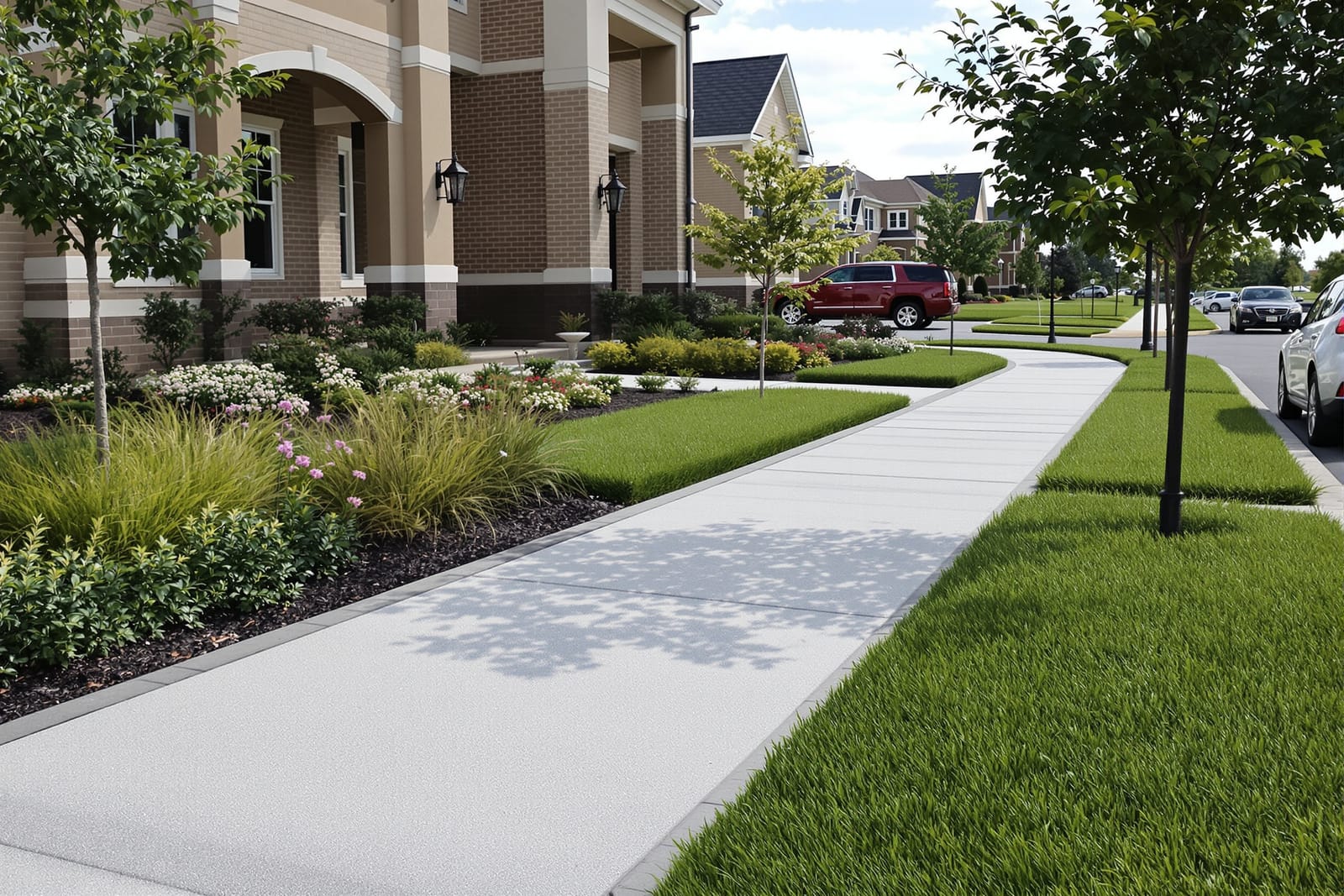
Keep pedestrians safe with commercial concrete sidewalks in New Orleans, LA. We pour city walks, curbs, gutters, and ADA compliant ramps for retail, offices, and public spaces.
Superior Concrete New Orleans provides professional commercial concrete sidewalk throughout New Orleans, LA, Louisiana and the surrounding area. Our licensed, insured crew delivers safe, clean, on-time work with a free estimate before anything begins. Call (504) 226-5854 or request your free quote.
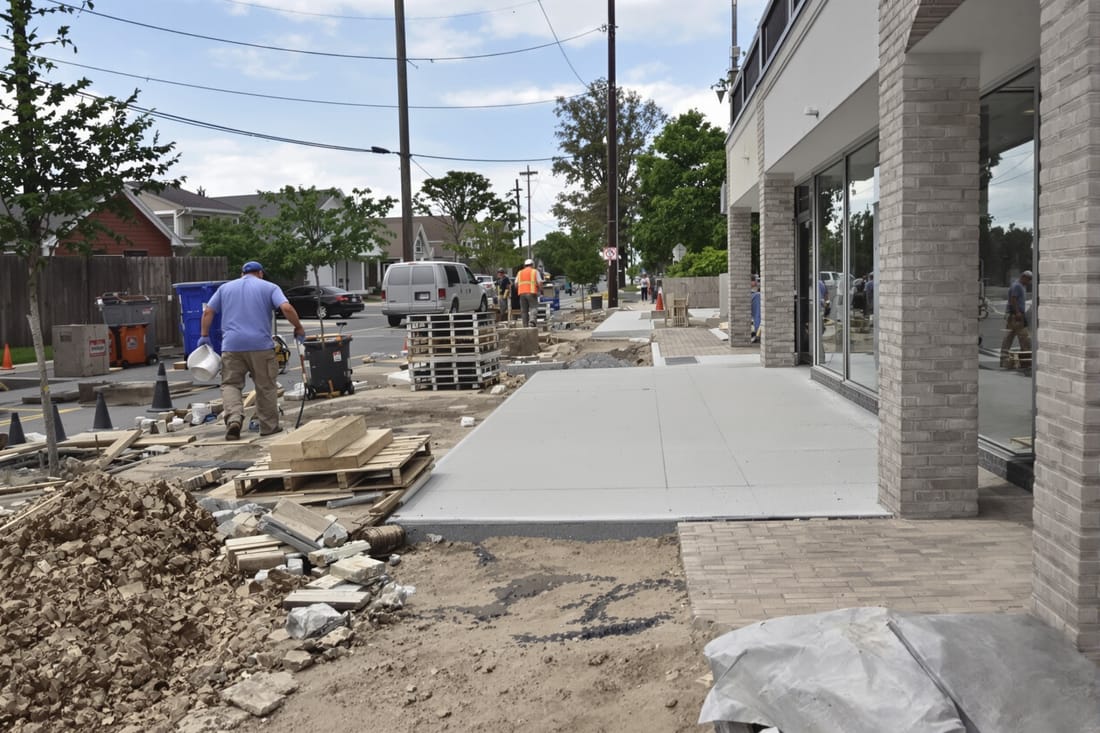
Commercial Sidewalk & Curb Work for New Orleans Businesses
Commercial sidewalks and curbs in New Orleans carry more than foot traffic. They channel stormwater, create accessible routes, and shape the first impression of your property. At Superior Concrete New Orleans, we focus on commercial concrete sidewalk and curb work that holds up to our city’s heat, heavy rains, and constant use.
Our team is used to working around active businesses, schools, medical facilities, restaurants, and multi‑tenant properties. We coordinate pours to keep entrances open whenever possible, set up clear pedestrian detours, and schedule noisy work for off‑peak hours when you need it. The goal is a clean, code‑compliant sidewalk and curb that looks like it has always belonged in front of your building, without disrupting your operations more than necessary.
Every project starts with a site visit, not a guess from satellite images. We walk the property with you, look at the surrounding drainage patterns, existing pavement, tree roots, and traffic flow, then propose a layout that matches how people and vehicles actually move on your site. In New Orleans, a good commercial sidewalk design is as much about where the water goes and how people walk during a storm as it is about how it looks on a sunny day.
How We Install Commercial Concrete Sidewalks & Curbs Step by Step
A commercial concrete sidewalk is only as good as its base. We begin by marking out the new walk or curb line, calling in utility locates when needed, then saw‑cutting and removing old concrete or asphalt. Rubble is hauled off to an approved facility, which keeps your site clean and avoids surprise disposal fees later.
Next, we grade and compact the subbase. In many parts of New Orleans, native soils are soft or hold water, so we often bring in compactable aggregate to create a more stable base. This step is critical, because a sidewalk poured on poorly prepared soil will settle, crack, or create trip hazards within a couple of seasons.
We then form the sidewalk and curbs to match the required width, slope, and elevations. For commercial work, we pay close attention to cross slopes and transitions, since these affect ADA accessibility and drainage. Curbs are typically formed integrally with the sidewalk or as stand‑alone curb and gutter, depending on how your parking lot or roadway is designed.
Reinforcement is placed according to the design, usually steel rebar or welded wire mesh for commercial sidewalks that see heavier traffic, such as cart paths or loading areas. Once ready, we place the concrete, consolidate it, and strike it off to the correct grade. Expansion joints, control joints, and gutter inlets are located where they will control cracking and help move water toward drains.
Finishing is done to match the use: a broom finish for slip resistance in wet weather, or a slightly textured surface where oil and grease may be present near loading zones. Curbs receive a clean, defined edge that stands up to tire contact and plowing equipment where applicable. After finishing, we cure the concrete properly to help it reach strength and resist early surface damage.
Concrete Options, Thickness, and Mixes That Work in Louisiana Climate
In our climate, the details of your commercial concrete sidewalk mix and thickness matter. For typical pedestrian sidewalks, we often recommend a minimum 4‑inch thickness with a 3000 to 4000 psi mix, but for commercial properties with delivery carts, hospitality equipment, or occasional vehicle overrun, we increase thickness and reinforcement to prevent damage.
Aggregate size and mix design are also adjusted based on exposure. Areas that see standing water or frequent cleaning with chemicals, for example around restaurant patios or car wash approaches, benefit from mixes with lower water‑cement ratios and proper air entrainment to reduce surface scaling. In shaded, damp areas where algae can grow, we aim for a slightly more textured broom finish to reduce slip risk.
Color and decorative options are also available. For retail centers or office campuses, we often install colored bands along the curb line, scored patterns at entries, or integral color to help distinguish pedestrian paths from vehicle areas. These are not only aesthetic features, they also help people visually navigate the property and can highlight crosswalks or accessible entries.
Because New Orleans is prone to extreme rain events, we sometimes specify slightly higher strength mixes where sidewalks and curbs will be part of a flood recovery or resilience project. We work with local ready‑mix suppliers who understand our conditions, so the concrete you get is tailored to Louisiana weather, not a generic national spec.
Drainage, ADA Compliance, and Local Code in New Orleans
Every commercial concrete sidewalk and curb project here must consider drainage first. Curbs help direct water off traffic lanes, into gutters, and toward inlets. If curb elevations are set poorly, water can back up toward your building, flood entrances, or pond in parking stalls. We set curb and sidewalk elevations with a laser level, tie them into your existing storm structures, and, when needed, recommend small grading adjustments to make the system work together.
ADA compliance is another critical factor. That means correct sidewalk slopes, properly designed curb ramps, detectable warning surfaces where required, and smooth transitions at door thresholds. We are familiar with common local issues, like tying new sidewalks into older city walks or irregular street elevations, and we design ramps and landings that satisfy both ADA guidelines and City of New Orleans requirements.
Permit requirements depend on where your sidewalk and curb are located. If the work is in a public right of way along a city street, permits and inspections may be required. Superior Concrete New Orleans can coordinate with the city or parish, provide any necessary drawings, and meet inspectors on site. For interior private drives and parking lot areas, we still build to recognized standards so you avoid liability issues and future corrective work.
Because many New Orleans properties sit close to neighbors and existing infrastructure, we also pay attention to how new sidewalks and curbs tie into adjoining properties and utilities. We protect existing manholes, water meters, and drainage grates during work, and adjust our forms so finished elevations meet these fixtures cleanly rather than creating trip edges or low spots.
Costs, Timelines, and Common Sidewalk & Curb Problems We Solve
The cost of a commercial concrete sidewalk or curb project in New Orleans depends on several specific factors: total square footage, thickness and reinforcement requirements, site access, demolition needs, and how complex the layout is. Curved walks, integrated curb and gutter, decorative features, and night or weekend work can add to labor and material costs, while straightforward replacement in open areas is more economical.
We provide clear, line‑item estimates so you can see what you are paying for: demolition, base preparation, forming, reinforcement, concrete placement, finishing, curing, and jointing. During the walk‑through, we also point out any potential extras like root removal, hidden sub‑base problems, or drainage modifications so you are not surprised later.
Common problems we are asked to fix include heaved panels from tree roots, cracked and settled slabs that pond water, broken curbs in loading zones, and sidewalks that no longer meet ADA requirements after other site changes. When tree roots are involved, we look for options like root pruning, root barriers, or slight line shifts before recommending tree removal, since many New Orleans properties value their shade trees.
Timeline depends on project size, but a typical commercial sidewalk and curb replacement in front of a single building can often be completed in a few days of active work, followed by several days of curing time before full use. We help you plan staging areas, temporary access paths, and signage so customers, tenants, or staff can still reach your entrances safely while work is underway.
Why Local Experience Matters for Commercial Sidewalk & Curb Projects
New Orleans has a mix of historic districts, modern developments, and industrial corridors, each with different expectations for how sidewalks and curbs should look and function. Superior Concrete New Orleans has worked in neighborhoods from the CBD and Warehouse District to Gentilly, Algiers, and Metairie, so we understand how to match existing city or campus standards while still improving performance.
Local experience matters because of our soil and water conditions. We know which parts of town are more prone to settlement, where groundwater sits high, and where tree roots are likely to cause future damage. That informs our recommendations for base preparation, joint spacing, reinforcement, and even where to place thicker concrete or additional dowels.
Working with a local team also helps with scheduling around weather and events. We pay attention to local forecasts and avoid pours on days with a high chance of afternoon downpours, and we coordinate around parades, festivals, and peak tourist periods when street access or business traffic is especially important. When you call, you speak with people who understand your area and can get to your site quickly to assess issues.
From first site visit through final cleanup, our goal is straightforward: deliver commercial concrete sidewalk and curb work that drains properly, supports safe foot traffic, meets codes, and looks professional for years in New Orleans conditions.